
Dentistry
Healthy teeth mean a healthier, longer life for your pet.
Dental disease is one of the most common and preventable health issues in dogs and cats. Left untreated, it causes chronic pain, tooth loss, and can lead to infection in organs like the heart, liver, and kidneys. At Mosman Vet, we take pet dental health seriously. With regular checkups and proper care, we can prevent most dental problems before they become serious.
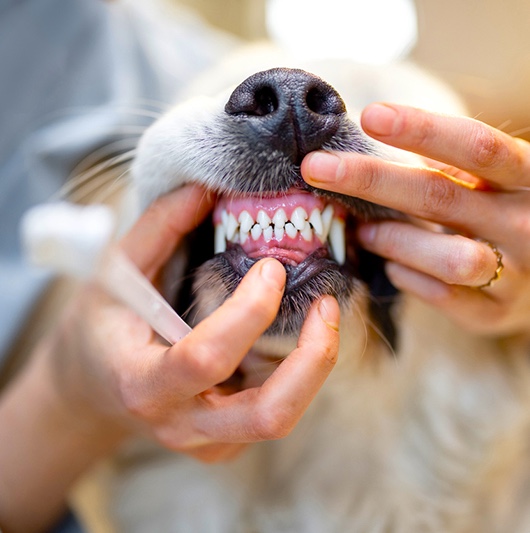
Common Signs of Dental Problems in Pets
While bad breath is often the first clue, there are other signs to watch for.
Yellow or brown buildup on teeth
Dropping food while eating
Reluctance to chew toys
Pawing at the mouth
Why Dental Care Matters
Dental disease often begins with plaque — a soft film of bacteria that builds up on the teeth. Over time, it hardens into tartar, irritating the gums and creating a breeding ground for more bacteria. If left untreated, it can develop into periodontitis, a painful condition that damages the structures around the tooth, including the bone. Bacteria can even enter the bloodstream and affect other organs.
Early care helps avoid these issues and reduces the need for more serious procedures down the track.
What We Offer
We provide full veterinary dental care under general anaesthesia, allowing for safe and thorough treatment. From annual checkups to advanced procedures, your pet’s safety and recovery are always our priority.
Dental exams during routine checkups
Scale and polish procedures
Tooth extractions if required
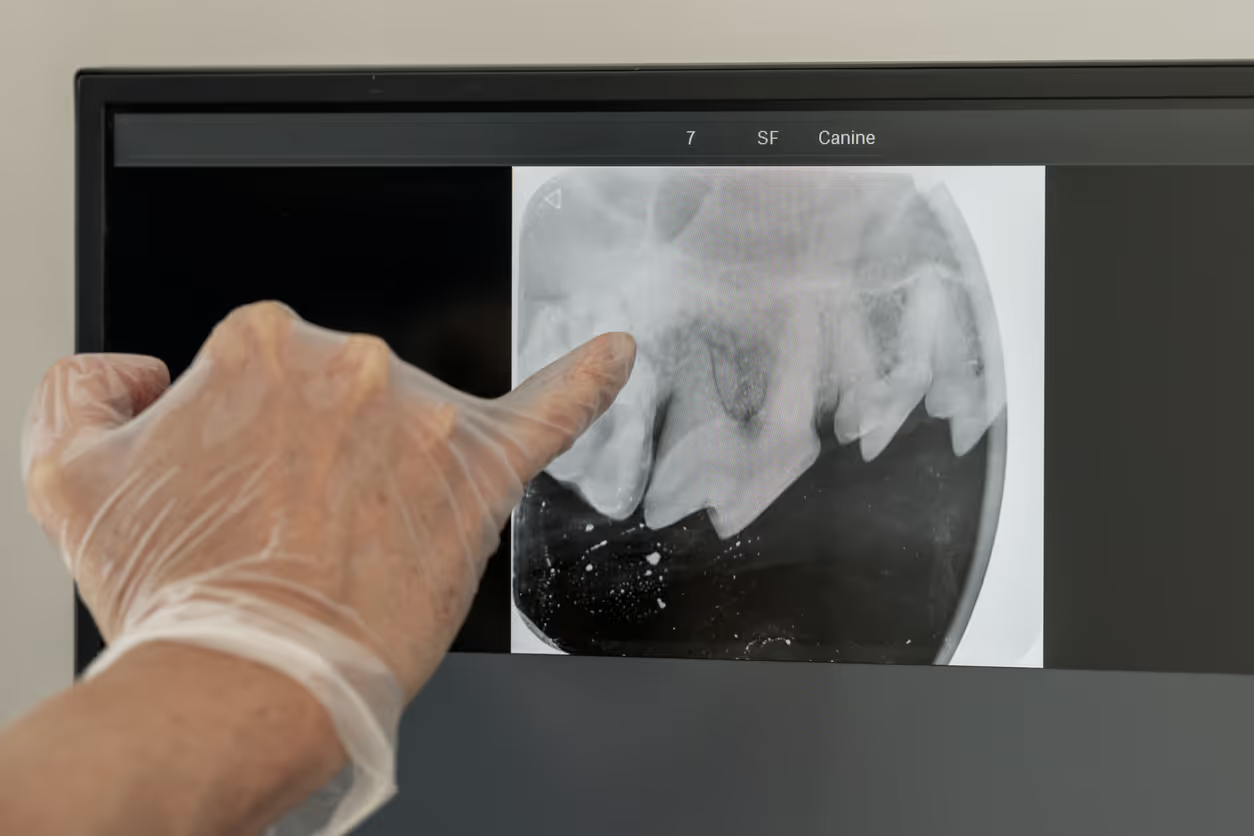
Dental X-rays to assess below the gumline
Pain relief and recovery care
At-home dental product advice
What to Expect from a Dental Procedure
Your pet’s dental treatment will take place under general anaesthesia. This allows us to perform a full, pain-free clean and examination — including any necessary X-rays or extractions. Your pet is monitored throughout, and we’ll provide detailed aftercare instructions tailored to their recovery.
If needed, your vet may recommend:
Pre-anaesthetic blood testing
Intravenous fluids
Additional imaging for advanced disease

FAQs
Here are some common questions about senior pet care and our recommendations.
Typically, pets are considered senior around 7 years old. However, this can vary based on breed and size. Larger breeds may age faster than smaller ones.
Yes, we recommend checkups every six months for senior pets. This allows us to monitor their health closely. Regular visits can help catch any issues early.
We may suggest blood and urine tests to assess overall health. Blood pressure checks and imaging can also be beneficial if concerns arise. These proactive measures help ensure your pet's well-being.
Absolutely, we provide various treatments for arthritis and stiffness. Options include medication, supplements, and movement support. Our goal is to enhance your pet's comfort and mobility.
Yes, senior pets often require different nutritional needs. We can guide you in selecting age-appropriate food. Proper nutrition is crucial for maintaining their health.
We can assess their cognitive function and recommend support.
Still have questions?
Contact us for more information.
Good care starts with Mosman Vet
Whether it’s a routine check-up, an unexpected issue or ongoing care, we’re here to help you make the best decisions for your pet’s health and wellbeing.