
Preparing for Surgery
Everything you need to know before and after your pet’s procedure.
Surgery can be stressful, but knowing what to expect helps ease the process. Whether your pet is having a routine desexing or a more complex procedure, here’s how to prepare and what recovery will involve.
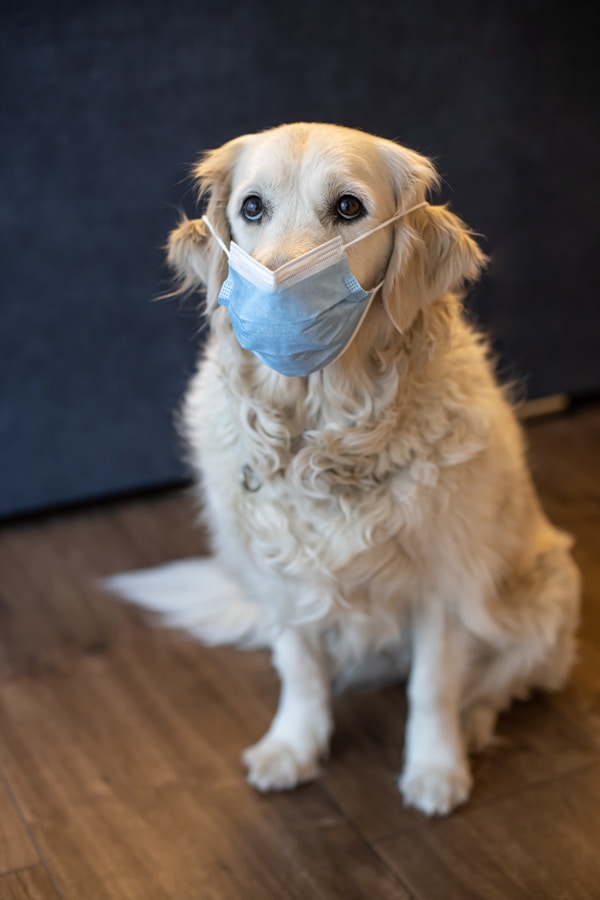
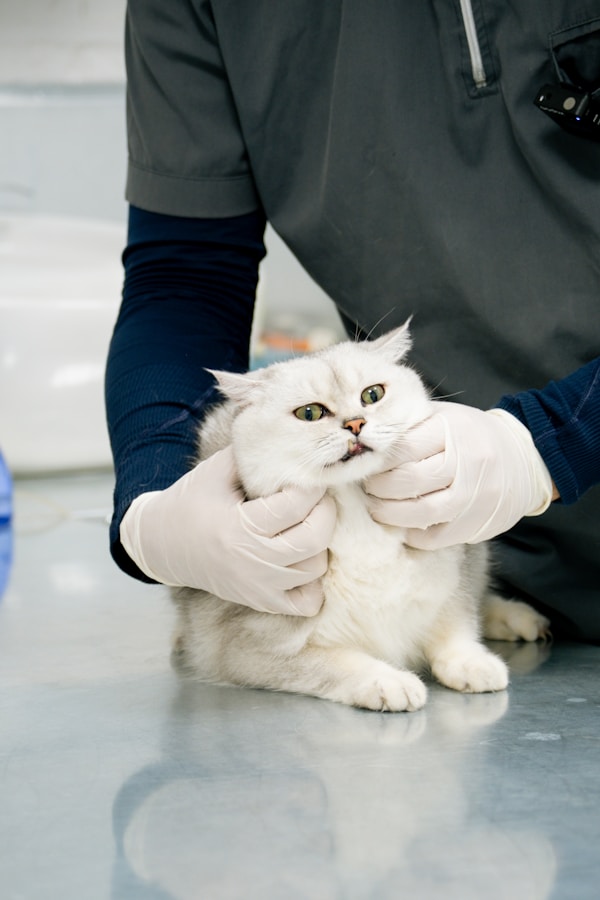
Before Surgery: How to Prepare
You’ll receive specific instructions from our team, but here’s a general guide to follow in the lead-up to your pet’s procedure.
No food after 10 pm. Remove water in the morning. Arrive at your scheduled time with your pet in a carrier or on a lead.
Tell us about any medications. We may recommend blood tests for safety.
Stay calm for your pet. Leave familiar items at home.
After Surgery: What to Expect
We’ll call you as soon as your pet is in recovery and let you know when they’re ready to go home. Most pets recover quickly, but some drowsiness is normal.
Follow all post-op care, feeding, and medication instructions carefully.
Attend your follow-up appointment; watch your pet for signs of trouble.
FAQs
Here are some common questions about senior pet care and our recommendations.
Typically, pets are considered senior around 7 years old. However, this can vary based on breed and size. Larger breeds may age faster than smaller ones.
Yes, we recommend checkups every six months for senior pets. This allows us to monitor their health closely. Regular visits can help catch any issues early.
We may suggest blood and urine tests to assess overall health. Blood pressure checks and imaging can also be beneficial if concerns arise. These proactive measures help ensure your pet's well-being.
Absolutely, we provide various treatments for arthritis and stiffness. Options include medication, supplements, and movement support. Our goal is to enhance your pet's comfort and mobility.
Yes, senior pets often require different nutritional needs. We can guide you in selecting age-appropriate food. Proper nutrition is crucial for maintaining their health.
We can assess their cognitive function and recommend support.
Still have questions?
Contact us for more information.
Good care starts with Mosman Vet
Whether it’s a routine check-up, an unexpected issue or ongoing care, we’re here to help you make the best decisions for your pet’s health and wellbeing.