
Puppy & Kitten Care
Start strong with the right care from day one.
Bringing home a new puppy or kitten is exciting — but there’s a lot to get your head around. We’re here to make it simple. Our team will guide you through your pet’s first vaccinations, parasite prevention, nutrition, and everything else they need in their early months.

What’s Included in a New Pet Checkup at Mosman Vet
Bringing home a new puppy, kitten, or rescue pet? Their first checkup is an important one. We perform a full head-to-tail health review, assessing body, behaviour, and wellbeing. It’s more than a quick once-over. We’ll explain what we’re seeing, what’s normal, and what to look out for next.
Weight and body condition
Coat, skin, ears and eyes
Teeth, gums and oral health
Heart and lung function
Joints and movement
Vaccination and parasite status

Your Pet's First Vaccinations: What to Know
Puppies and kittens are born with temporary immunity from their mother, but that fades quickly. Vaccinations are essential to protect them during this vulnerable window. We space their doses carefully to ensure full, lasting immunity, and we’ll explain what’s due at each visit.
Puppy & Kitten First Vaccinations
Provides core protection against life-threatening viral diseases in young puppies.
Boosts core immunity and adds protection against kennel cough and Leptospirosis.
Final boosters to complete your puppy’s primary vaccination course.
First adult booster to maintain full protection across all major diseases.
Ongoing protection for respiratory disease and Leptospirosis.
Core booster for Distemper, Hepatitis, and Parvovirus.
Continued yearly vaccination to protect against core feline diseases.
First annual booster to maintain protection into adulthood.
Final dose in your kitten’s primary vaccine series.
Strengthens immunity against the same three core viruses.
Essential first vaccine to protect against upper respiratory infections and feline parvovirus.
Need help checking what vaccinations are due?
Not sure if your pet is up to date? Give us a call and we’ll check their records, talk you through what’s next, and help you book in if anything is due.
Parasite Prevention
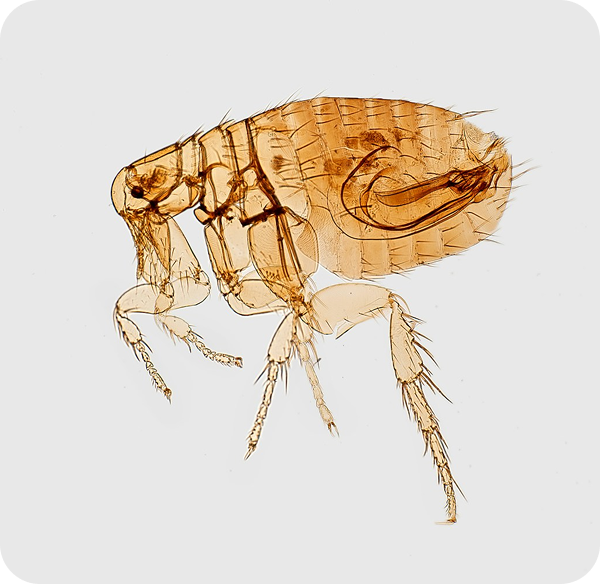
Young pets are especially vulnerable to parasites like fleas, ticks, intestinal worms and heartworm. We’ll recommend a prevention plan that’s safe for their age and easy for you to follow.
Worming every 2 weeks until 12 weeks of age
Monthly worming until 6 months, then every 3 months
Flea and tick protection from 6–8 weeks onward
Heartworm prevention starting around 12 weeks

Microchipping & Registration
Microchipping is required by law in NSW before 12 weeks of age. Once your pet is chipped, you’ll need to register them through the NSW Pet Registry and update your council with their desexing status (if applicable).

Desexing
Desexing can be done safely from 3 months of age for puppies and 8 weeks for kittens. It helps prevent unwanted behaviours, reproductive issues, and certain cancers later in life. We’ll discuss the best timing and explain what to expect.

Nutrition & Feeding
A high-quality diet supports growth, digestion, and long-term health. We’ll recommend vet-trusted foods that suit your pet’s breed and stage — and explain what to avoid.
Premium puppy and kitten food (wet + dry combo)
Avoid raw mince, supermarket milk, and homemade diets
Transition to adult food at around 12 months

Socialisation & Behaviour
The way your pet experiences the world in their first few months has a lasting effect. We’ll guide you on how to build positive behaviours, avoid common issues, and make the most of their early learning window.
FAQs
Here are some common questions about senior pet care and our recommendations.
Typically, pets are considered senior around 7 years old. However, this can vary based on breed and size. Larger breeds may age faster than smaller ones.
Yes, we recommend checkups every six months for senior pets. This allows us to monitor their health closely. Regular visits can help catch any issues early.
We may suggest blood and urine tests to assess overall health. Blood pressure checks and imaging can also be beneficial if concerns arise. These proactive measures help ensure your pet's well-being.
Absolutely, we provide various treatments for arthritis and stiffness. Options include medication, supplements, and movement support. Our goal is to enhance your pet's comfort and mobility.
Yes, senior pets often require different nutritional needs. We can guide you in selecting age-appropriate food. Proper nutrition is crucial for maintaining their health.
We can assess their cognitive function and recommend support.
Still have questions?
Contact us for more information.
Good care starts with Mosman Vet
Whether it’s a routine check-up, an unexpected issue or ongoing care, we’re here to help you make the best decisions for your pet’s health and wellbeing.