
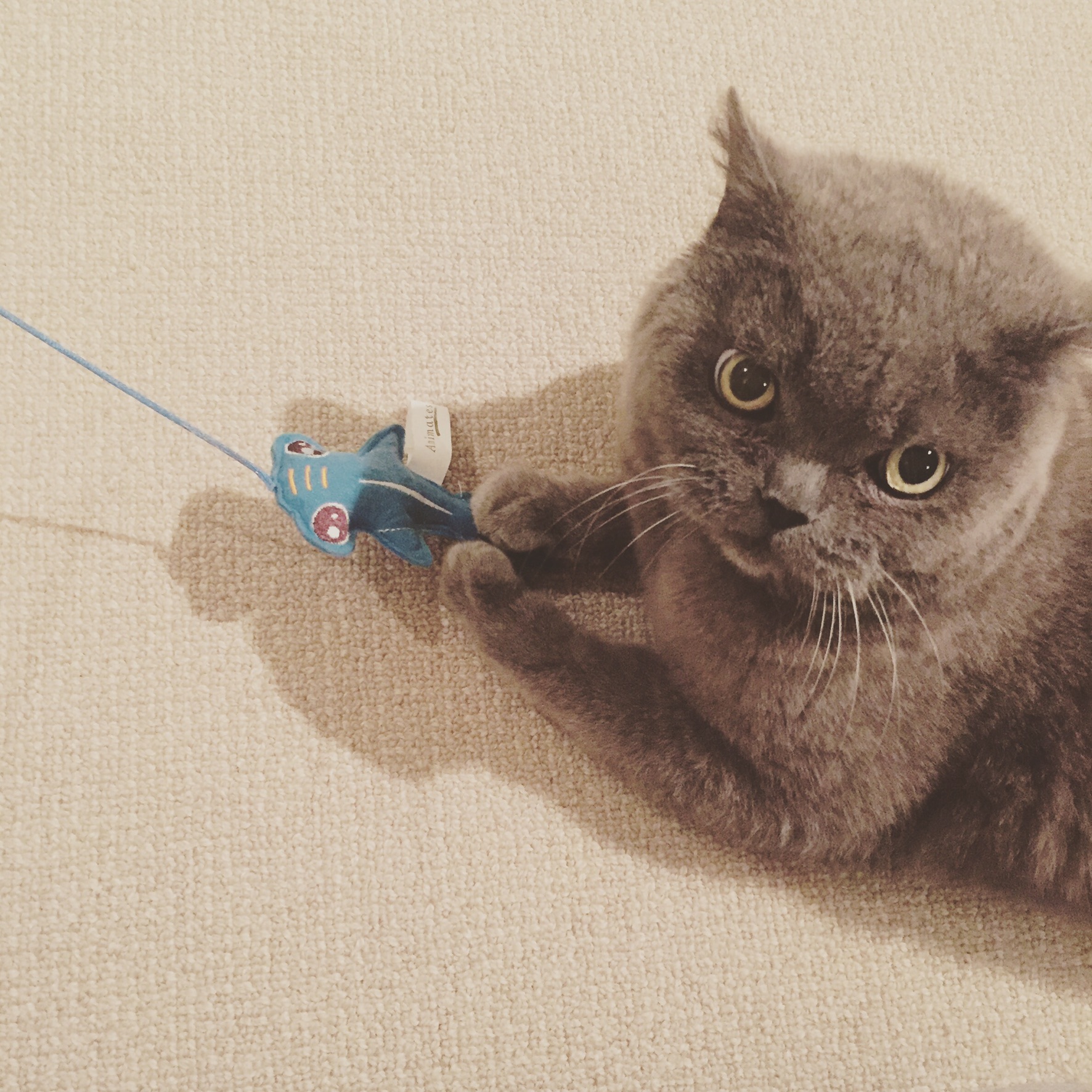
Australia is an enthusiastic nation of home renovators, and we are surrounded by television programs such as The Block and renovation magazines aplenty. According to ABS statistics, 67% of Aussie couples with children live in a renovated home. Furthermore, 85% of us continue to live in our home as we renovate.
The excitement and stress of renovations affects the four legged members of the family just as much as the 2 legged ones. Vets around the country see plenty of cats and dogs suffering the upheavals involved in creating that dream home. Typical problems include straying due to inadequate fencing, noise phobias - that are manifest as howling, barking, injuries while trying to escape of hide and lack of appetite.
With 64% of Australian households owning a pet, it’s important to make arrangements for them when drawing up renovation plans. Here are some tips for making the transition much smoother.
- Make sure your pet is wearing a collar and I.D. tag, or is microchipped.
- Have a secure area for your pet where it can be safely enclosed at all times while the work is going on. Often, temporary structures need to be used, because fences and doors might need removing during renovations to allow easier access.
- Check the garden every day to see what out-of-bounds areas have been made accessible to the pet. Often, places like garden sheds contain dangerous chemicals like snail bait or garden tools that may cause injury to an inquisitive dog or cat.
- Try to keep your pets routine as normal as possible. They still needs their walks, love and attention at this time. If anything, try to spend a little extra time with them for reassurance.
- If you will be making any changes to your pets eating or sleeping areas during building, make sure you do it well in advance, before work has begun, and while other stresses are minimal. Pets cope much better if they are familiar with their surroundings before other changes occur.
- Some cats and dogs don’t cope well with noises and unfamiliar people involved in renovating. Cats are particularly susceptible. If you have a pet that suffers from anxiety you should speak with your Vet as there are often products such as pheromone sprays and diffusers which can be used to help calm you pet.
- For extremely stressful parts of the building work, you may such as the use of cranes, jackhammers and the like, consider booking your pet into a boarding kennel.
Pet Care Advice, Seasonal Tips & More
Explore practical guides, seasonal pet care tips, and emergency advice, all from your trusted local Mosman vets.


.jpg)
Good care starts with Mosman Vet
Whether it’s a routine check-up, an unexpected issue or ongoing care, we’re here to help you make the best decisions for your pet’s health and wellbeing.