
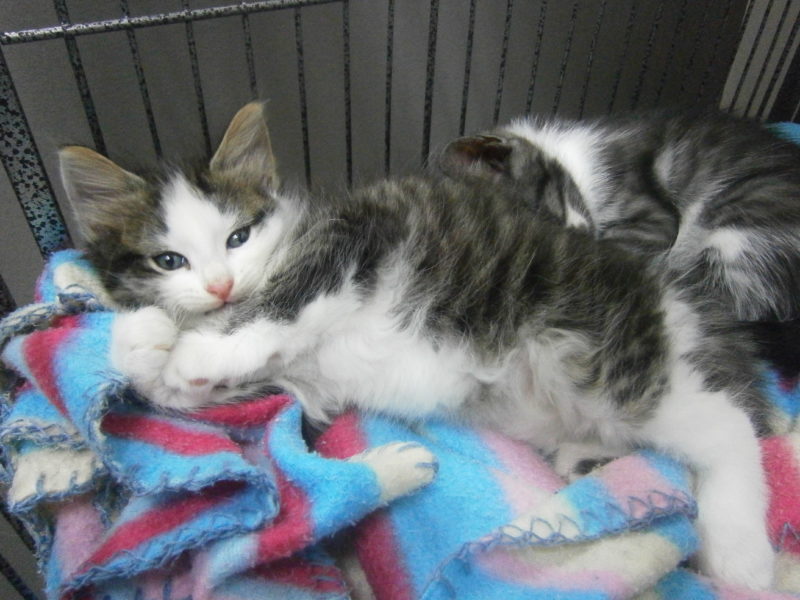
A lifetime commitment
Adopting a kitten is a lifelong commitment. Animals develop a bond with you and your family. Cats are sensitive to their environment and major changes such as switching owners or households can be dramatic and very stressful. You need to make sure you are ready to provide food, water, shelter, medical care and love throughout the life of your cat – this could be for 15 to 20 years! You also need to make sure you are committed to keeping your cat as a trusted and loved companion as changes occur in your life such as moving, pregnancy, job changes, etc.
Allergies
The allergens your pet carries are associated with its skin, hair follicles, and saliva. Dander, a naturally occurring combination of skin cells and saliva, is most often the cause of pet allergies. Dander is shed from your cat and embeds itself in carpeting, furniture, and draperies and stays in the environment for a long time causing allergic reactions. It is the protein in this dander that causes the reactions. Some cats shed more of this dander then others, making them less tolerable than others.
It is important to know if you have allergies to cats BEFORE you adopt a kitten.
Age
A 1 year old cat is physiologically similar to a 16-year-old human, and a 2-year-old cat is like a person who is 21. After that, each cat year is worth 4 human years.
- 10 year old cat = 53 year old human
- 12 year old cat = 63 year old human
- 15 year old cat = 73 year old human
An enriching environment
You need to make sure there are plenty of positive stimuli in your kitten’s environment. This would include a variety of toys that are changed periodically, and playing with or petting your kitten in different rooms. You should plan on spending 15 to 30 minutes twice a day playing with your kitten. It could be less if you have a multiple cat household in which the cats keep each other company. Make sure you pat and praise your kitten whenever you have the chance, even if it is a quick stroke.
Building a bond with your kitten
Creating that human bond is important in establishing a relationship with your kitten. Each cat has its own personality and needs. Your cat will let you know when they want to be patted.
Cats like to be near you when you are home; they might sit on the couch with you or in a chair across the room or in their bed. When you pass by them, make an effort to pat them and see how they respond. If a cat wants attention, they will lay in your line of sight to get your attention. That is why your cat will lay on the newspaper or a book as you are reading or on your computer as you are trying to work!
Cats like to be rubbed under the chin, behind the ears, on their back, and on their head. A cat’s underside is very sensitive. You should only pet a cat on its stomach if it exposes it to you willingly. If a cat does not want your attention, their ears will go back, they will recede, their tail will start twitching, their body will stiffen or they may start hissing. If they do display this behavior, do not touch them, and leave them alone. If a cat gets over stimulated they might bite. When this happens you should leave them alone until they calm down.
Cat-proof your house
Make sure your house does not have any items that are harmful to your cats. This can include poisonous plants, shopping bags, plastic bags, ribbon, string, twine, yarn and chemical cleaners. Make sure you check the labels or all products that your cat could potentially get into.
Proper handling
To pick up your kitten, place one hand behind the front legs and another under the hind legs and lift gently. Most cats will tolerate being held if their weight is supported and they feel secure.
Fitting a collar
Wearing a collar for the first time can be uncomfortable and foreign to your kitten. Try to avoid a collar with a bell initially as it is a constant reminder they have something around
their neck.
Start with a soft cloth or material type collar – placing it loosely around your kittens neck. As he/she gets used to it, you may tighten it a little (every day or 2) until it fits snugly. You should always be able to fit 2 fingers comfortably under the collar to ensure it isn’t too tight and as your kitten is growing, it is important to check this regularly.
General grooming
You should brush your cat’s coat at least once a week to keep its coat shiny, sleek, and clean. If you have a long haired cat, daily grooming is essential. Also, trimming the nails regularly reduces the likelihood of damage caused by sharp claws and lessens the possibility of the nail growing into the pad and causing infection.
If you have a cat who is primarily outdoors, however, keeping their nails at a reasonably long length may help them with activities such as climbing or help as a defense tactic if they are ever in trouble.
Pet Care Advice, Seasonal Tips & More
Explore practical guides, seasonal pet care tips, and emergency advice, all from your trusted local Mosman vets.



.jpg)
Good care starts with Mosman Vet
Whether it’s a routine check-up, an unexpected issue or ongoing care, we’re here to help you make the best decisions for your pet’s health and wellbeing.