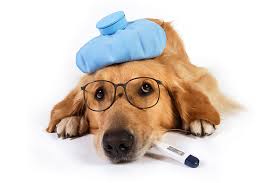
With the Easter school holidays now over and many dogs returning from their own holiday at the boarding kennels, it is a good time to keep an eye out for any signs of canine cough.
What is Canine Cough?
Canine Cough, also known as Kennel Cough, is usually a mild, self-limiting disease that affects dogs of all ages. It is a highly infectious disease and causes inflammation or swelling of the upper airways.
How is Canine Cough spread?
Kennel Cough is spread between dogs just as easily as colds are between humans. It is a highly infectious disease that spreads easily in closely confined areas such as kennels and shelters. Another dog may become infected through the inhalation of infected droplets from the nose or mouth of a sick dog that has sneezed or coughed. It may also be transmitted through direct physical contact with cages, toys, food bowls or clothes of people handling infected dogs. Clearly, therefore, hygiene and isolation are imperative to prevent spread of this disease.
What are the signs of Canine Cough?
The most common sign encountered is episodes of harsh, dry coughing that can then be followed by retching and gagging. These ‘episodes’ are frequently pre-empted by excitement, exercise or pressure on the airways such as in the case of collars and leads.
There may also be a clear discharge from the nose and eyes. Should these discharges become thick and greenish yellowish in colour, then a secondary bacterial infection may be present. Other signs of secondary bacterial infection include fever, depression, anorexia and a productive cough.
It should be stressed that in many cases, the dog will overcome Kennel Cough with their own immunity. However, any dog exhibiting signs of illness such as loss of appetite, lethargy and especially a green snotty nose should be taken to the veterinarian immediately.
Pet Care Advice, Seasonal Tips & More
Explore practical guides, seasonal pet care tips, and emergency advice, all from your trusted local Mosman vets.


.jpg)
Good care starts with Mosman Vet
Whether it’s a routine check-up, an unexpected issue or ongoing care, we’re here to help you make the best decisions for your pet’s health and wellbeing.