
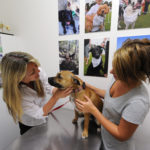
Cushing’s Syndrome (Hyperadrenocorticism)
August has been a busy month at Mosman Vets and one condition which we seem to be seeing an awful lot of at the moment is Cushing’s disease. Because we have seen so many cases this month, we thought we would do a blog focus on Cushing’s disease to offer some information to those owners with newly diagnosed pets, and explain the condition for those owners who suspect that their pet may be affected by this unusual condition.
What is Cushings?
Cushing’s disease, or Hyperadrenocorticism as it is otherwise known, is a condition characterized by excessive production of a hormone called Cortisol, the ‘stress’ hormone. This hormone is produced by the adrenal glands which are 2 peanut sized glands which sit close to the kidneys.
Who is commonly affected?
Cushing’s disease tends affect dogs far more than it does cats, and commonly affected breeds include Poodles, Dachshunds, Maltese terriers, Boston terriers, German Shepherds, and Beagles. Cushing’s tends to be seen more often in middle aged to older pets, though in some instances young dogs can be affected.
What causes it?
There are several factors which can contribute to Cushing’s disease formation. Most commonly the condition is caused by a tumour on the pituitary gland in the brain, however it can also be caused by a tumour on the adrenal gland itself, or from excessive use of synthetic cortisone medications.
What signs should I look for?
Dogs affected by Cushing’s Disease will often show one or several of the following signs:
- A ravenous appetite
- An increase in drinking and urination
- A pot-bellied appearance
- Hair loss
- Muscle weakness
- Lethargy
- A ‘rat tailed’ appearance
If your dog is displaying any of the above signs, it is important to have them checked by a veterinarian. Several other diseases can present with similar signs to Cushing’s so it is important that a veterinarian examine and assess each case individually in order to look for more subtle signs and determine which condition may be affecting your pet, as this diagnosis will affect treatment.
Why is it important to diagnose and treat Cushings?
Excessive hormone production in Cushing’s disease can be a problem for a number of reasons. 10% of affected dogs will go on to develop concurrent diabetes, urinary tract infections and high blood pressure are also common in affected dogs. Those dogs with pituitary macro adenomas can also develop seizures.
Apart from the medical complications, Cushing’s can also cause a significant reduction in the quality of life of your pet due to the range of frustrating clinical signs it causes. Excessive panting can irritate owners and the ravenous appetite that it causes often leads to pets eating things that they shouldn’t. Putting them at risk of pancreatitis or obstruction. The excessive thirst also leads to more frequent urination, and this in turn can progress to urinary incontinence which can be upsetting for both pet and owner.
How is it diagnosed?
If your veterinarian suspects your pet has Cushing’s disease they will need to perform several tests to help confirm this diagnosis. The 1st step of testing is usually to run a blood and urine test to look for elevations in certain enzymes. If this test comes back suggestive of Cushing’s Disease then your vet may recommend a more detailed blood test or an ultrasound to confirm the condition before treatment is started.
How is it treated?
Treatment will vary according to whether your pets Cushing’s Disease is caused by a pituitary or adrenal tumour. Pituitary tumours will require lifelong medical management, but with treatment clinical signs can be much improved and the condition can often be well controlled allowing dogs to live a much happier and longer life than they otherwise would. For those pets with adrenal tumours, medical or surgical treatment options exist. Monitoring of your pet’s condition and determining if they are stable on medical treatment is performed using blood testing at regular intervals. Treatment will significantly improve the quality of life of your animal.
Pet Care Advice, Seasonal Tips & More
Explore practical guides, seasonal pet care tips, and emergency advice, all from your trusted local Mosman vets.


.jpg)
Good care starts with Mosman Vet
Whether it’s a routine check-up, an unexpected issue or ongoing care, we’re here to help you make the best decisions for your pet’s health and wellbeing.